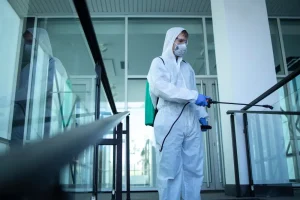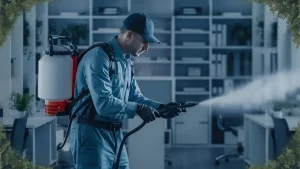
People ask for the EPA green disinfectants list expecting a single page that names every safe product. The real answer is a little different, and knowing how it works helps you pick disinfectants that are safer for people and the environment without falling for vague marketing. The program you want is run by the EPA and it has clear rules. This piece explains what that program is, how a product qualifies, and how to find the ones that make the cut.
There Is No Single Green List
The word green gets slapped on all kinds of products, and terms like eco-safe or environmentally friendly mean nothing on their own. The EPA does not keep a list called green disinfectants. What it keeps is a certification with its own label and its own roster of approved products.
For disinfectants and sanitizers, that certification is the Design for the Environment program, usually shortened to DfE. When a product carries the DfE logo, it has passed a review the EPA runs. The agency also has a separate label called Safer Choice, but that one covers general cleaners like glass and floor products, not disinfectants. If you want a safer disinfectant, the DfE label is the one to look for.
What the DfE Label Means
The DfE logo tells you two things at once. First, the product cleared the same registration every disinfectant has to pass, since disinfectants are regulated as pesticides under federal law. Second, it met extra standards the EPA sets for human health and environmental effects.
That second part is the difference. A regular registered disinfectant proves it kills germs. A DfE-certified one proves that and shows its ingredients were reviewed for how they affect the people using them and where they end up after they go down the drain. The EPA keeps a public list of every product cleared to carry the logo, and it notes that being on the list is not an endorsement, just confirmation that the product met the criteria.
How a Product Earns the Label
Getting the DfE logo is not automatic. A product has to meet several requirements, and each one targets a specific concern.
Proven Germ-Killing
Like any disinfectant, a DfE product has to back up its claims with lab testing submitted to the EPA. It can only say it kills a given germ if the data shows it does. Being safer does not get it a pass on working.
Safer Ingredients
The active and inactive ingredients get reviewed for effects on health and the environment. Products also have to stay within a set pH range so they are less likely to irritate skin and eyes. Makers are pushed to improve their packaging where they can.
Ingredients That Tend to Qualify
Conventional disinfectants often lean on a few actives that raise health flags, including quaternary ammonium compounds, known as quats, along with phenols and bleach. These work, but some are linked to asthma, skin irritation, and other issues with heavy exposure.
Safer disinfectants usually rely on different actives. Hydrogen peroxide, citric acid, lactic acid, and hypochlorous acid show up often on the greener side, since they kill germs without the same health baggage. This is not a hard rule for every product, but it is a good pattern to look for when you read a label.
How to Find Certified Products
The EPA runs an online search tool for DfE-certified products, so you do not have to guess. You can look up a product by name, by company, or by its EPA registration number to confirm it really carries the label. Some products are both DfE-certified and effective against specific germs that show up on the EPA’s other targeted lists, which makes them a solid pick for spaces that need both.
When you shop, check for the actual DfE logo and confirm it on the EPA list rather than trusting a green leaf graphic or a friendly-sounding name on the bottle. That one step filters out the greenwashing.
Why Safer Disinfectants Are Worth the Look
It is fair to ask why the label matters when a regular disinfectant already kills germs. The answer comes down to the people doing the cleaning and the people using the space afterward. The crew handling disinfectants day in and day out gets the most exposure, and the actives flagged as concerns are the ones tied to breathing problems and skin irritation over time. A gentler product lowers that risk without giving up the germ-killing.
There is also the environmental side. Whatever goes on a surface eventually ends up rinsed down a drain, and from there into the water system. Products reviewed for how their ingredients break down leave less behind. For buildings that care about sustainability goals, or that serve kids, patients, or anyone sensitive, the safer route is an easy call.
What the Label Does Not Mean
A DfE product is safer, but it is still a disinfectant and still a registered pesticide. It has to be used the right way to work. That means cleaning the surface first, applying the product, and letting it stay wet for its full contact time before wiping. Safer does not mean you can skip the label directions.
It also does not mean harmless. These products still call for sensible handling, storage away from kids, and good airflow during use. The DfE label lowers the risk profile, but it does not turn a disinfectant into water.
Choosing Wisely
The takeaway is simple. There is no magic green list, but there is a real EPA program that does the work of sorting safer disinfectants from the rest. Look for the DfE logo, confirm it on the EPA search tool, and favor products built on gentler actives.
If you would rather not sort through labels yourself, our team can put together a disinfection plan that uses safer, EPA-recognized products matched to your space. Reach out for a walkthrough and a clear quote whenever you want a hand with it.