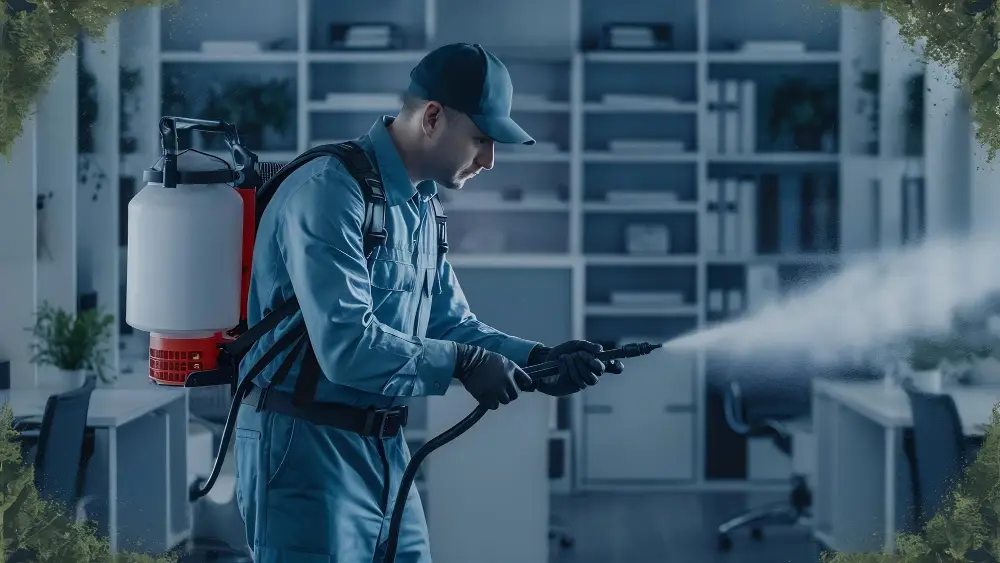
Electrostatic sprayers make disinfecting faster and more thorough, but they still put chemicals into the air and onto surfaces at speed. Knowing the electrostatic sprayer safety precautions keeps the crew, the occupants, and the equipment out of harm’s way. Most of the rules come down to common sense once you know the reasons behind them. This piece covers the steps that matter, from gear to re-entry, so the job gets done without anyone getting hurt.
Start With the Product Label
Every safety plan starts with the disinfectant itself. The label lists how to mix it, what protective gear to wear, and how long it needs to stay wet. It also names the hazards, so read it before the tank ever gets filled.
Never mix two disinfectants together to make a stronger version. Some combinations give off fumes that can hurt the lungs, and the mix rarely works better anyway. Stick to one product used the way its maker intended.
Wear the Right Protective Gear
The mist from a sprayer floats in the air longer than liquid from a rag, so the person holding the nozzle breathes near it the whole time. Gear protects them from that exposure.
Eyes & Lungs
Safety glasses or goggles keep the mist out of the eyes. Depending on the product, a mask or respirator rated for the chemical keeps it out of the lungs. The label tells you which level of protection the disinfectant calls for.
Skin & Hands
Gloves rated for the disinfectant stop it from soaking into the skin over a long shift. Long sleeves add another layer for products that can irritate on contact. Bare arms and a spray nozzle are a bad match.
Keep the Air Moving
Ventilation matters more with a sprayer than with hand cleaning because of the mist. Open windows, run fans, or use the building’s air system to keep fresh air flowing while the crew works and for a while after.
Good airflow does two things. It clears the mist so the operator breathes less of it, and it helps surfaces dry once the dwell time is done. A closed, stuffy room traps the chemical and slows everything down.
Handle the Electrical Side With Care
These sprayers add an electric charge, and many run on batteries or a power cord. Water and electricity do not mix, so a few habits keep that from becoming a problem.
Keep the charging base and any cords away from the spray zone and from standing water. Check the sprayer for cracks or frayed wires before each use. If a unit gets wet where it should not, stop and let it dry rather than pushing through. Follow the maker’s instructions for charging and storage, since a swollen or damaged battery is a real hazard.
Protect Electronics & Sensitive Items
The mist reaches places you might not want it to go, including the inside of a computer or a control panel. Before spraying, cover or move electronics that could take on moisture. A light coat is fine on a sealed surface, but a wet keyboard or an open outlet is asking for trouble.
The same goes for food, open drinks, and anything people put in their mouths. Clear those out of the area or cover them well before the mist goes up.
Manage Dwell Time & Re-Entry
After the spray goes down, the disinfectant needs to sit wet for its full dwell time. During that stretch, and until the surfaces dry and the air clears, people should stay out of the room.
This is the step that gets rushed most often. Bringing occupants back too soon means they breathe leftover mist and touch surfaces that are still wet with chemical. Post a sign, block the door, or schedule the treatment for after hours so no one wanders in early. A short wait is a small price for a safe return.
Train Anyone Who Uses the Sprayer
A sprayer is easy to point and pull, which makes it tempting to hand off to untrained staff. That is where accidents happen. Anyone running the unit should know the product, the gear, the airflow rules, and the re-entry timing before they touch it.
Training does not have to be long, but it does have to happen. A short run-through on the machine, the label, and the dos and don’ts prevents most of the problems that come up.
Store & Clean the Sprayer Properly
Safety does not end when the spraying stops. Leftover disinfectant sitting in the tank can corrode parts and clog the nozzle, which leads to uneven spray next time. Flush the unit with clean water after each use, following the maker’s steps, and empty the tank before storing it.
Store the sprayer in a dry spot away from heat and out of reach of anyone who should not run it. Keep the battery charged the way the manual says, since letting it drain fully or overcharging it shortens its life and can create a hazard. A well-kept sprayer is a safer sprayer, and it holds up far longer than one that gets shoved in a closet still full of product.
Handle Spills Right Away
Concentrated disinfectant can spill while you mix it or load the tank. Keep the concentrate in a stable spot, wipe up any spill at once, and rinse the area with water. Have paper towels and clean water within reach before you start, so a small spill stays small. Knowing where the product goes and cleaning it up fast keeps a minor slip from turning into a slick floor or a chemical burn.
Leaving the Job Done Right
Electrostatic spraying is a safe method when the basic steps get followed. Read the label, wear the gear, keep air moving, respect the electrical side, and hold people out until the room is ready. None of it is hard, and all of it keeps the job clean in every sense.
If you would rather leave the disinfecting to a crew that already follows these steps, our team handles the gear, the timing, and the safety details as part of every visit. Reach out for a walkthrough and a clear quote whenever you want one less thing to manage.