If you manage a facility, you have probably heard people talk about electrostatic disinfection services and wondered what sets them apart from a regular wipe-down. The short version is that this method uses charged droplets to coat surfaces evenly, including the spots a cloth tends to miss. It has become a common choice for offices, schools, gyms, and medical spaces because it covers more ground in less time. This guide walks through how the process works, where it fits, and what to look for when you bring in help.
How Electrostatic Disinfection Works
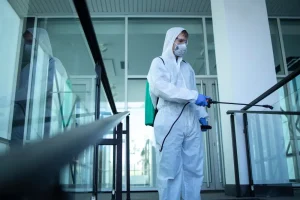
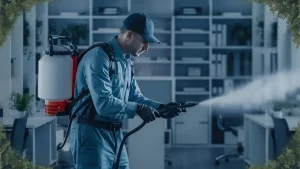
The idea behind electrostatic application is simple once you picture it. A sprayer adds a positive electrical charge to disinfectant droplets as they leave the nozzle. Most surfaces carry a neutral or negative charge, so the droplets are pulled toward them the way a magnet grabs metal. Instead of falling straight down with gravity, the mist wraps around objects and clings to the back and underside of items it never directly faced.
That wrap-around effect is the main reason facilities pick this method over a trigger sprayer and rag. One pass can coat the top, sides, and hidden edges of a surface at the same time. The charge also spreads the droplets apart so they land in an even layer rather than pooling in one spot.
What Sets It Apart From Manual Cleaning
Manual cleaning does a solid job on flat, reachable surfaces, but it has limits. A person wiping a desk covers the top and maybe the front edge. The sides, the legs, and the gaps between items get skipped, not out of carelessness but because there is only so much time in a shift.
Electrostatic spraying fills those gaps. The charged mist reaches handrails, keyboards, chair bases, and door hardware from several angles at once. You also use less product because the droplets stick where they land rather than dripping onto the floor. For a space with a lot of high-touch points, that difference adds up fast.
Where This Method Fits Best
Some spaces gain more from electrostatic treatment than others. The common thread is heavy traffic and lots of shared surfaces.
Offices & Shared Workspaces
Phones, copiers, break room counters, and meeting tables pass between dozens of hands a day. Electrostatic application hits all of them quickly without pulling staff away from their desks for long.
Schools & Daycares
Kids touch everything, and germs move through a classroom in hours. Spraying desks, cubbies, and play areas between sessions helps keep the spread down without a marathon wipe-down.
Gyms & Medical Offices
Fitness equipment and waiting rooms see steady turnover and plenty of contact. A quick, even coat of disinfectant on machines, benches, and exam surfaces keeps things clean between visitors.
The Process Step by Step
A typical service visit follows a clear order. First the crew removes visible dirt, since disinfectant works best on a clean surface. Grime can block the product from reaching the germs underneath.
Next they mix the disinfectant to the label ratio and load the sprayer. Then they apply the mist in steady passes, holding the nozzle at a set distance from each surface so the coat stays even. After that the product needs dwell time, which is the number of minutes it must stay wet to kill germs.
The crew lets the area sit before anyone returns. Skipping the dwell time is the most common mistake, and it is the fastest way to waste the whole effort. A good service builds that waiting period into the visit rather than rushing people back in.
What to Look for in a Service
Not every provider runs the process in the same way. When you compare options, ask which disinfectant they use and confirm it is registered with the EPA for the germs you care about. Ask how they handle the dwell time and how they protect electronics from moisture, since a soaked keyboard helps no one.
A good answer shows the crew knows the science, not just the machine. They should be able to explain why they clean before they spray and how long a room stays off-limits afterward. Our team is glad to walk you through the products we use and the steps we follow, so you know exactly what happens during a visit.
When It Makes Sense to Schedule
You do not need electrostatic treatment every single day for most spaces. Many facilities book it on a recurring basis, then add extra visits during cold and flu season or after someone comes down sick. That rhythm keeps surfaces in good condition without over-treating them.
It also pairs well with a move-in, a renovation, or any time a space has sat empty and needs a reset before people come back. If your building has just gone through construction, a disinfection pass clears out the settled dust along with the germs.
Clearing Up a Few Myths
A couple of ideas about this method float around that are worth setting straight. The first is that the charge does the disinfecting. It does not. The charge only steers the droplets. The disinfectant in the tank is what kills the germs, so a weak product gives a weak result no matter how well it lands on the surface.
The second myth is that spraying replaces cleaning. It does not do that either. Dirt and grime shield germs from the product, so a surface has to be cleaned first for the mist to do its job. The spray is a strong finishing step, not a shortcut around the scrubbing that comes before it. Any crew that skips the cleaning and goes straight to the sprayer is leaving germs behind under the grime.
Keeping Your Space Ready
Clean surfaces protect the people who use your building, and the right method makes that easier to keep up over time. Electrostatic spraying is not magic, but it does reach places a rag cannot and it does it in a fraction of the time.
If you want a disinfection plan that fits how your facility runs, reach out to our team for a walkthrough and a clear quote. We can look at your traffic, your surfaces, and your schedule, then map out a routine that keeps the space clean without slowing your operation down.