
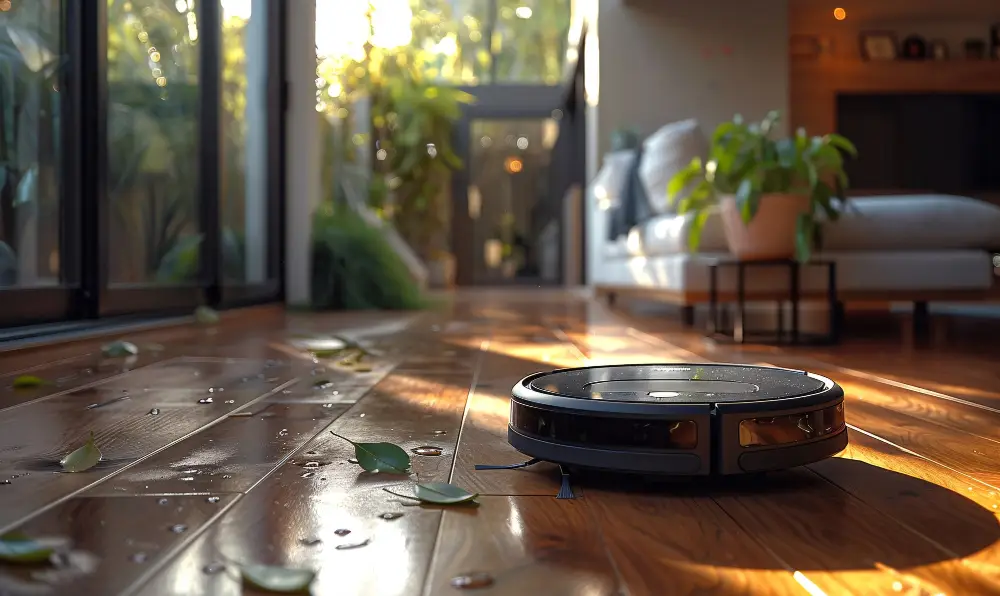
Automated cleaning robotics has moved from a novelty you saw at a trade show to a practical tool showing up in warehouses, hospitals, malls, and office buildings. The machines that scrub and vacuum floors on their own are no longer a gamble for facility managers. This piece walks through what is driving that shift in 2026, how the newer machines actually work, where they fit, and what to weigh before you bring one into your operation.
Why Adoption Is Picking Up
The biggest reason is staffing. Cleaning teams have been hard to hire and keep, wages have climbed, and turnover eats into consistency. A machine that handles the repetitive floor work fills that gap without calling in sick or leaving for a better offer down the road.
Cost predictability matters too. A robot has a known running cost, so managers can budget for it the same way they budget for any other piece of equipment. Add in the demand for cleaner spaces since the pandemic, and the math starts to make sense for a lot of buildings that would have passed on the idea a few years ago.
How Today’s Machines Work
The robots rolling out now bear little resemblance to the bump-and-go units of a decade ago. Most rely on a mix of sensors that map a space in fine detail and steer the machine around it.
Mapping & Navigation
The common setup uses LiDAR, which bounces laser pulses off surfaces to build a map, along with cameras that spot objects. This pairing lets the machine plan an efficient route and cover a floor evenly, hitting the same spots with the same pressure every pass. The technical name for the mapping method is SLAM, which stands for simultaneous localization and mapping.
Obstacle Handling
A modern unit does not just follow a fixed line. It watches for people, carts, pallets, and spills in real time, then slows, stops, or reroutes to avoid them. That is what makes it safe to run during business hours in a space with foot traffic.
Where Robots Fit Best
Not every building gains the same value from a robot. The machines earn their keep in spaces with a lot of open, flat floor.
Warehouses & Logistics Hubs
Big concrete floors with predictable layouts are close to ideal. One or more units can cover huge square footage overnight or between shifts without a person driving them.
Healthcare & Hospitality
Hospitals value the timestamped cleaning logs a robot produces, since those records help meet inspection and infection-control rules. Hotels use them to clean lobbies and corridors while guests sleep, which keeps the public areas fresh each morning.
Retail & Transit
Malls, airports, and stores use robots to hold a steady floor standard during busy stretches, running them in off-peak and transition hours so the crew can focus elsewhere.
The Human Side of Automation
A worry that comes up often is that robots will replace cleaning staff. That is not how most deployments play out. The machines take the repetitive, tiring floor work, and the people shift to the jobs that need judgment, such as restrooms, break rooms, spot cleaning, and disinfecting high-touch surfaces.
Many teams report better morale once the robots arrive, because the most physically draining part of the shift gets handled for them. The model is closer to amplifying the crew than cutting it. Someone still has to supervise the fleet, respond to alerts, and handle the detail work a machine cannot.
Fleets & Data
One trend worth noting is the move from single machines to managed fleets. Buildings that buy a robot with no system behind it often end up with an orphaned unit that no one tracks. The ones getting real value run a dashboard that shows coverage, run time, and cleaning frequency across every machine.
That data does two things. It proves the work is getting done, and it points out where coverage is thin so the schedule can be adjusted. Multi-vendor platforms have also become common, so a floor scrubber from one maker and a vacuum from another can be managed in one place.
What to Weigh Before You Adopt
Robots are not a fit for every space or every budget. Upfront cost is real, and a machine only pays off if your floors are open enough for it to run well. Cluttered layouts, lots of stairs, or heavy carpet can limit what a unit can do.
It also helps to plan where the docking station goes, since a poorly placed charger wastes travel time. And a robot works best folded into your current routine rather than dropped in to replace it. A common setup has the machine scrubbing main corridors at night while staff cover peak-hour touch-ups by hand.
Watching the Return on Investment
The numbers only work if you track them. The buildings that see a clear return treat the robot as part of a system, with a dashboard that logs how much floor got covered and how often. That record is what tells you the machine is earning its cost rather than sitting in a corner half the week.
Floor scrubbers tend to show the fastest payback because they cover the largest areas and take the most repetitive labor off the crew. Vacuum and window-cleaning robots usually come later, once the floor scrubber is running smoothly and the team knows how to manage a fleet. Starting with the highest-impact machine and growing from there is the pattern that avoids buyer’s regret.
Bringing It Into Your Building
Automated cleaning is not a magic switch, but the technology has matured to the point where it is a sensible option for a lot of facilities. The wins are steadier coverage, freed-up staff, and clear records of the work.
If you are curious about how a robot would fit your floors and your schedule, our team can look at the space and give you an honest read, including where a machine helps and where old-fashioned hands-on cleaning still wins. We can also walk you through the mix that tends to work best, where automation handles the big open floors and people cover the detail work that needs a human eye. Reach out for a walkthrough and a clear quote whenever you want to talk it through.