
When a facility starts looking past basic cleaning, two methods come up again and again. The electrostatic vs UV disinfection question shows up in almost every quote because both promise to kill germs beyond what a rag can reach. They work in completely different ways, though, and each one is better at some jobs than the other. This piece lays out how they compare so you can pick the right fit for your space.
How Electrostatic Disinfection Works
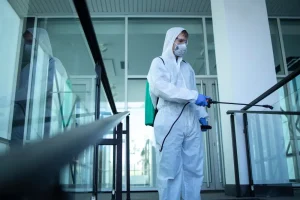
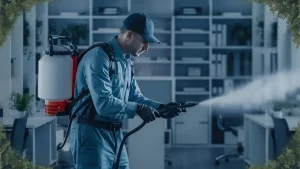
Electrostatic spraying puts a positive charge on liquid disinfectant as it leaves the nozzle. Surfaces tend to be neutral or negative, so the charged droplets are drawn toward them and wrap around objects from all sides. The mist coats the tops, the backs, and the hidden edges in one pass.
The strength here is coverage plus a real chemical kill. The disinfectant does the germ-killing, and the charge makes sure it lands where it needs to. It works on soft and hard surfaces alike, which matters in spaces with fabric chairs, mats, or upholstery.
How UV Disinfection Works
UV disinfection uses light instead of liquid. Special lamps give off ultraviolet-C rays, which damage the genetic material inside germs so they cannot reproduce. No chemicals are involved, and there is nothing left on the surface afterward.
The catch is that UV only works on what the light directly hits. Germs sitting in a shadow, under an object, or inside a crack survive because the rays never reach them. UV also needs the surface to stay under the light for a set amount of time, so the lamp either sits in place or moves slowly.
Putting Them Side by Side
Both methods have clear strengths, and the right pick depends on what you are cleaning and how fast you need it done. Here is how they stack up on the points that matter most.
| Factor | Electrostatic | UV Light |
| Coverage | Wraps around all sides of an object | Only hits surfaces in direct line of sight |
| Kill method | Chemical disinfectant | Ultraviolet light |
| Residue | Leaves a wet coat that dries | Leaves nothing behind |
| Shadowed areas | Reaches them with the mist | Misses them |
| Soft surfaces | Works on fabric and upholstery | Limited on porous material |
| Speed for large rooms | Fast, one operator covers a lot | Slower, light needs dwell time per zone |
Where Each One Wins
Neither method is the better choice for every job. The smart move is to match the tool to the task.
When Electrostatic Makes More Sense
Rooms packed with furniture, equipment, or shared high-touch items are a strong fit for spraying. The charged mist gets behind and under things that would block a UV lamp. Large open areas also favor electrostatic work because one operator can coat a lot of square footage quickly. If your space has fabric seating or soft surfaces, spraying handles those too.
When UV Makes More Sense
UV shines in small, contained spaces where line of sight is easy to control, such as a single exam room or a piece of equipment placed directly under a lamp. It is also a good pick when you want zero chemical residue, like around sensitive electronics or in spaces where people react to cleaning products. For flat, clear surfaces with nothing in the way, UV does a clean job.
Cost & Practical Effort
Budget usually comes into the picture, and the two methods spend money in different ways. Electrostatic spraying has an ongoing cost for the disinfectant itself, since every visit uses product. The upside is speed, so labor stays low even in a big space. UV systems cost more up front for the lamps, but they use no consumables, so the running cost drops once the equipment is paid off.
There is also the matter of time on site. A sprayer moves through a large area quickly, while UV needs the light to dwell on each zone, which stretches out the visit for anything bigger than a single room. For a busy facility that wants fast turnaround between uses, that speed difference often settles the choice on its own.
Safety & Residue Notes
Each method comes with its own handling rules. Electrostatic spraying puts disinfectant into the air, so the crew wears protective gear and the room needs a short wait before people return. The surfaces are left with a light coat that dries on its own.
UV light carries a different caution. The same rays that damage germs can harm skin and eyes, so no one should be in the room while the lamp runs. There is no chemical residue afterward, which is a plus around sensitive electronics or for people who react to cleaning products. Neither method is dangerous when handled right, but both call for keeping people clear while the work happens.
Can You Use Both
You can, and some facilities do. A common setup uses electrostatic spraying for broad coverage across a whole area, then UV as a targeted follow-up on specific high-risk surfaces. The two methods cover for each other, since UV handles the flat spots the light can reach and the spray handles everything hidden from it.
For most buildings, though, one method carries the load and the other is not needed. Electrostatic tends to be the practical daily choice because it covers more types of surfaces in less time. UV works best as a specialty tool for the right situation rather than an all-purpose answer.
Making the Call
So which one wins. For general facility use with lots of surfaces, furniture, and traffic, electrostatic spraying usually comes out ahead on speed and coverage. For small, controlled spaces where you want no residue, UV holds its own. The best answer depends on your rooms, your surfaces, and how quickly you need turnaround.
If you are weighing the two for your building, our team can look at your space and tell you which method fits, or if a mix makes sense. Reach out for a walkthrough and we will give you a straight recommendation and a clear quote.