Biofilm is one of the trickier problems in cleaning, and it comes up a lot once people learn what it is. A common question about removing biofilm with electrostatic spraying is if the charged mist can wipe it out on its own. The honest answer has two parts, and getting it right saves you from wasting effort on a method that was never built for that job alone. This piece explains what biofilm is, why it resists disinfectant, and where electrostatic spraying does and does not help.
What Biofilm Actually Is
Biofilm is a layer of bacteria that stick to a surface and build a slimy shield around themselves. You have seen it as the film on a drain, the slick on old shower tile, or the plaque on teeth. The germs inside are not floating loose. They are glued down and wrapped in a protective coating they make themselves.
That coating is the whole problem. It acts like armor, keeping disinfectant from reaching the living cells underneath. A surface can look clean and still hold a working biofilm in the low spots and seams where moisture sits.
Why Biofilm Resists Disinfectant
Most disinfectants are made to kill germs floating on a surface or sitting on top of it. Biofilm turns that on its head. The outer slime layer blocks the chemical, so the product kills the top layer of cells and never touches the ones deeper in.
The germs inside also share nutrients and even swap resistance traits, which makes the whole colony tougher than the same bacteria would be on their own. This is why a quick spray of disinfectant rarely clears a stubborn slime. The product runs out of steam before it gets through the shield.
What Electrostatic Spraying Can Do
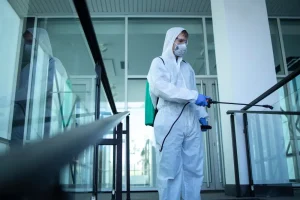
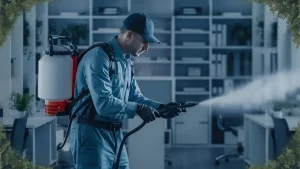
Electrostatic spraying is very good at one thing, which is putting an even coat of disinfectant across every surface in a room, including the hidden angles a rag skips. That coverage is real, and it matters for stopping germs that sit on top of surfaces.
Against biofilm, though, coverage alone is not enough. The charged mist lands beautifully on the slime, but it still cannot punch through the protective layer any better than a hand sprayer can. The disinfectant reaches the biofilm and stalls at the same wall. So spraying helps kill loose surface germs everywhere, but it does not, by itself, break down an established film.
The Step That Has to Come First
Removing biofilm takes physical action. You have to scrub, agitate, or otherwise break the slime layer apart so the disinfectant can reach the cells inside. Think of the drain again. Pouring cleaner on top does little, but a brush and some scrubbing breaks the film loose and lets the product finish the job.
For a facility, that means mechanical cleaning has to happen before any disinfectant goes down on a biofilm-prone surface. Scrubbing, the right cleaning agent, and a bit of elbow grease break the shield. Only then does the surface become one that disinfectant can actually clear.
The Two-Step Approach That Works
The winning method treats biofilm as a two-part job. First comes the mechanical clean, where the film gets scrubbed and rinsed away. Second comes disinfection, where the surface gets treated to kill whatever germs remain and to slow the film from coming back.
This is where electrostatic spraying earns its spot. Once the biofilm is physically gone, the charged mist coats the whole area evenly and hits every angle, which helps keep new colonies from getting a foothold. So the answer to the original question is that spraying is a strong second step, not a standalone fix. It works with scrubbing, not instead of it.
Where Biofilm Tends to Hide
Knowing where biofilm forms helps you catch it early. It sets up wherever water sits and stays, so the usual spots are drains, the seals around sinks, grout lines in tile, ice machines, and any equipment that holds moisture between uses. Restrooms, kitchens, and locker rooms give it the damp, warm conditions it likes best.
It also builds in places that are easy to skip during a quick clean, like the underside of faucet handles or the inside of a drain cover. Because a working biofilm can look like a bit of harmless slime, it often gets ignored until it spreads and starts causing odors or slick spots. Checking these damp, low-traffic areas on a regular basis is the simplest way to stay ahead of it, since a thin film is far easier to scrub off than a thick, settled one.
Keeping Biofilm From Coming Back
Biofilm loves moisture, warmth, and time. The best way to keep it from returning is to stay ahead of it rather than waiting for the slime to build up again.
Regular cleaning of the spots where water lingers, such as drains, sinks, tile grout, and equipment that stays damp, breaks the cycle before a film can set. Drying surfaces after use goes a long way too, since biofilm cannot get started without standing moisture. Pairing that routine with periodic disinfection keeps the surface germ counts low. A space that gets cleaned on a steady schedule rarely gives biofilm the calm, wet conditions it needs to take hold, which means less scrubbing for you over the long run.
The Bottom Line
Electrostatic spraying cannot remove biofilm on its own, and any service that claims otherwise is skipping a step. What it can do is deliver even, thorough disinfection once the film has been scrubbed away, and help keep it from returning. Treat the two jobs as a pair and you get surfaces that are clean in a way a single spray could never manage.
If you are dealing with a biofilm problem or want to stop one before it starts, our team can set up a routine that combines proper cleaning with the right disinfection schedule. Reach out for a walkthrough and a clear quote, and we will map out an approach that fits your space.